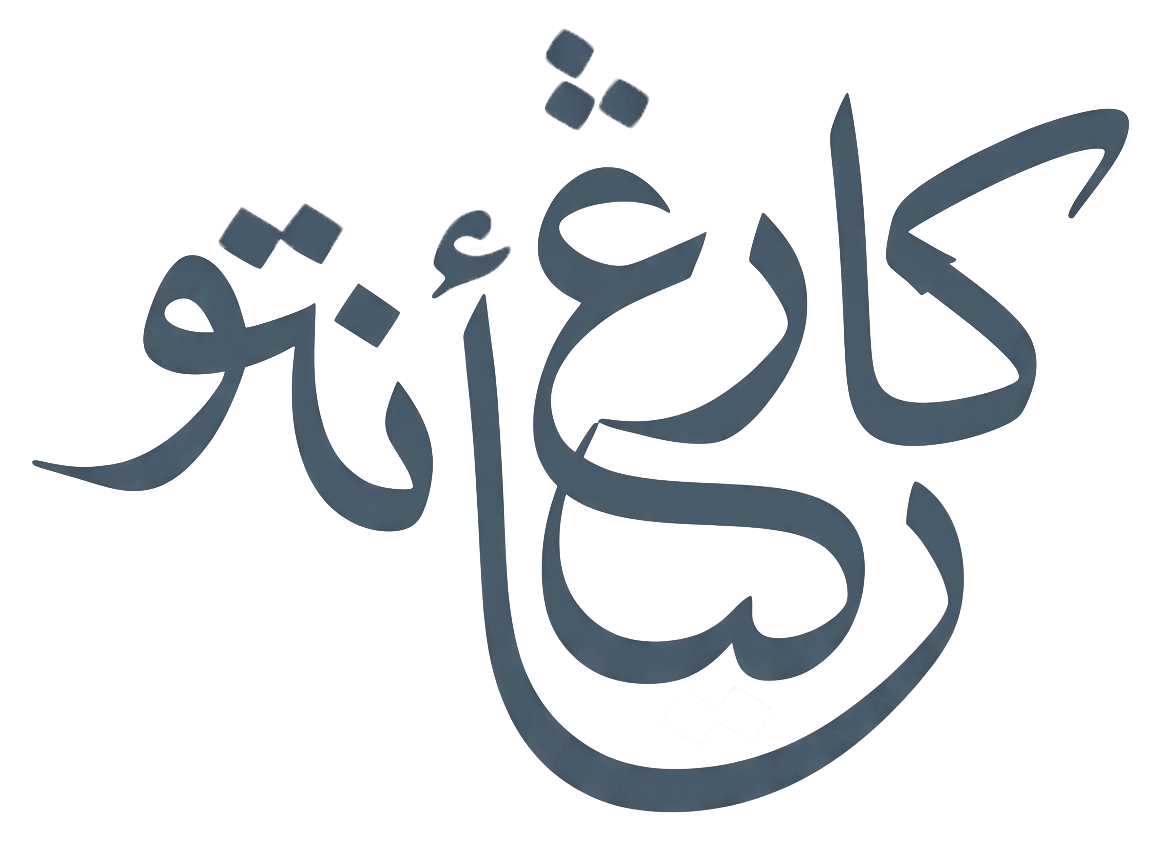
Banten Javanese Dialect: An Overview
CHAPTER I: INTRODUCTION
1.1 Background
The existence of the Banten Javanese Dialect among the younger generation is currently experiencing a tangible downward trend. Based on a sociolinguistic study by Suherman (2015) in Gerem Village, Cilegon City, the usage rate of the regional language among adolescents (38.88%) is recorded as lagging far behind children (75.42%) and adults (43.75%). This pattern of language shift aligns with the findings of Fauzan et al. (2022) regarding the narrowing of regional language speech domains among Banten youth. In formal school environments, regional languages are frequently positioned merely as local content subjects with limited time allocations, thereby restricting the space for oral interaction and practical usage in students' daily communication.
On the other hand, religious literacy traditions in historical Banten were closely intertwined with the use of Pegon script, particularly within pesantren salaf (traditional Islamic boarding schools) for studying various kitab kuning (classical Islamic texts) (Ghofur et al., 2023; Kuswanto et al., 2025). Nevertheless, alongside educational modernization, Pegon script has become increasingly marginalized from formal school curricula (Kuswanto et al., 2025) and is becoming unfamiliar to some young santri in modern religious institutions (Taufiq et al., 2022). This condition has a direct implication on the weakening ability of the younger generation outside the pesantren tradition to read, comprehend, and transliterate ancient manuscripts of high historical value.
In the realm of written documentation, the Banten Javanese Dialect thrives predominantly within the oral tradition, yet it remains notably scarce in comprehensive formal documentation. Lexicographical efforts have thus far been pioneered by previous researchers, beginning with Mas Mangun Di Karia (1914) through his work Dialect Djawa-Banten, which was later continued by Munadi Patmadiwiria (1977) with Kamus Dialek Jawa Banten–Indonesia. Although these pioneering endeavors have provided an invaluable lexicographical foundation, the availability of text corpora, descriptive grammars, and modern digital learning tools for the Banten Javanese dialect still needs to be continually strengthened and updated.
1.2 Objectives and Methodology
Building upon this dynamic, this paper aims to summarize, map, and synthesize the development and characteristics of the Banten Javanese dialect through the dimensions of philological history, sound systems (phonology), word formation (morphology), sentence structure (syntax), and lexical dynamics, while simultaneously stimulating interest in learning to read and write Pegon script so that Banten’s distinctive intellectual heritage is not lost to time. This study was compiled using a library research method by critically examining various linguistic researches, philological manuscripts, local government policy documents, and relevant learning media.
1.3 Terminology Boundaries and Language Contact
The use of the term "Banten Javanese Dialect" in this study is chosen in accordance with the standardized terminology utilized by the Center for Language Development and Cultivation (Iskandarwassid et al., 1985; Patmadiwiria, 1977). In literature and daily societal interactions, alternative naming variations frequently emerge, such as Jawa Serang, Jaseng, or Jawa Babasan Banten. This standardization of terminology is essential to avoid academic misunderstandings, given that these local variations do not indicate separate distinct language entities.
As a dynamic geopolitical region, the Banten region—particularly the border areas of Serang and Tangerang Regencies—displays intensive contact between the Banten Javanese dialect, Sundanese, other Javanese regional varieties, Betawi, and Lampung. This linguistic contact has left clear structural traces at both the lexical and phonological levels (Rohbiah, 2022; Rohbiah & Mu'awwanah, 2023).
1.4 Writing Conventions
To maintain precision in meaning and ease of reading, several writing conventions are applied in this manuscript:
- Phonetic symbols in square brackets, such as [ə], refer to pure phonetic transcriptions.
- The letter ê is used to represent the pepet sound (schwa [ə]), the letter é denotes the closed taling e sound [e], and the letter è denotes the open taling e sound [ɛ] (Maulida Diva Karamah, 2026).
- Regional lexical examples are presented in italics accompanied by translations within double quotation marks ("...").
- The writing of Pegon script refers to standard transliteration guidelines, with the note that classical Banten manuscripts are generally written without diacritics (gundhil).
Considering the limitations of existing corpora and references, all linguistic examples presented in this paper should be understood as empirical representations from relevant reference sources, rather than as absolute normative standards applied uniformly across the entire Banten Province.
CHAPTER II: EVIDENCE FROM THE MANUSCRIPT
2.1 Philological Tradition and Banten Manuscript Treasures
The historical tracks of language and writing traditions in Banten can be authentically traced through the corpus of ancient manuscripts dating from the Banten Sultanate era. This historical documentation proves that Javanese written in Pegon script functioned as the official language of administration, law, and international diplomacy long before the modern era. Broadly speaking, these manuscript treasures are divided into three main groups:
- Qadi Court Registers (1754–1756)
Ayang Utriza Yakin (2015) examined manuscript catalog number LOr 5626 from the collection of the Leiden University Library. This manuscript contains records of judgments and legal case settlements adjudicated before Kiyahi Pěqih Najmuddin, the Qadi Judge of the Banten Sultanate. This legal document covers a broad spectrum of cases, including marriage disputes, divorce, inheritance, debt disputes, and violent crimes.
This manuscript is written in Javanese using Arabic Pegon script without diacritics (gundhil). Through paleographic analysis—one of which is the copyist's habit of adding a dot to the letter dāl (ڊ)—Yakin (2015) confirmed that the manuscript copyist can be strongly identified as a native speaker of the Banten Javanese dialect. - Banten Sultanate Correspondence Archives (1802–1806)
Titik Pudjiastuti (2007) compiled and edited the diplomatic correspondence of the Banten Sultanate preserved at the Leiden University Library. Three selected diplomatic letters demonstrate the use of Pegon script and variations in Javanese speech levels, as summarized in Table 2.1 below:
Table 2.1 Summary of Banten Sultanate Letter Documents (1802–1806) (Source: Pudjiastuti, 2007)
| No. Surat | Pihak Pengirim & Penerima | Tahun | Kode Naskah UB Leiden | Pokok Isi Surat |
|---|---|---|---|---|
| No. 45 | Jaga Kewura & Pangeran Wiratama to Ki Arya Nitinagara | 1802 | Cod. Or. 2241 III b.7 (No. 233) | Refusal to sell pepper commodities to Captain Bargas based on obedience to the Banten Sultan's orders. |
| No. 51 | Pangeran Rajabasa (Lampung) to Kiai Abdullah | c. 1806 | Cod. Or. 2241 III b.18 (Klt 13/No. 247) | Report on the entry of three ships in Lampung and instructions for selling pepper to the British for Raden Inten. |
| No. 53 | Haji Abdullah to the Sultan of Banten | c. 1806 | Cod. Or. 2241 III b.19 (Klt 12/No. 246) | Intelligence report on foreign ship movements and Raden Inten's return activities from Bengkulu. |
Textual analysis of the documents above shows variations in speech level usage adapted to the recipient's social position:
- Letter No. 45 combines polite registers (kula "I", boten "no/not", ngaturi uning "to inform") with ordinary/standard register forms (sun "I", ora "no/not"), as seen in the sentence: "sun ora sanggup aweh sabab sun wedi ing gustinisun" ("I am unable to give because I fear my lord") (Pudjiastuti, 2007).
- Letter No. 53, addressed directly to the Sultan of Banten, consistently uses polite registers (kawula, wonten, dhateng, sampun) and concludes with an Arabic-language prayer formula (Pudjiastuti, 2007).
Functionally, this correspondence corpus proves the vital role of Banten Javanese and Pegon script in international trade affairs (pepper commerce) and geopolitical navigation against Dutch and British colonial powers.
- The Undhang-Undhang Bantĕn Codex
Yakin (2016) studied manuscript codex Cod. Or. 5598 in Leiden, which contains eleven traditional legal texts of the Banten Sultanate. This manuscript shows orthographic uniqueness where the first 65 pages are written in traditional Javanese script (hanacaraka), followed by approximately 140 pages using vocalized Pegon script (naskhi style), and a small portion in unvocalized Pegon format. The presence of an 11-page Malay-language insertion within the same codex proves that Banten society during the sultanate era lived within a multilingual and multiliterate ecosystem (Yakin, 2016).
2.2 Historical and Linguistic Implications
Comprehensively, the examination of Qadi registers, sultanate correspondence archives, and legal codices indicates that Pegon script was well-established as an official administrative, legal, and diplomatic instrument in Banten. Nevertheless, these written manuscript data must be approached critically; formal historical documents are insufficient to draw linear conclusions regarding the daily spoken language of the common people during that era. Proving the relationship between the written manuscript variety and the community's spoken variety requires the support of epigraphic data and advanced historical sociolinguistic research.
CHAPTER III: REGION, SOCIETY, AND SPEAKER DEMOGRAPHIC ESTIMATIONS
3.1 Geographical Map of Banten Javanese Dialect Speakers
The geographical distribution of Banten Javanese dialect speakers is generally concentrated in the northern region of Banten Province, covering most of Serang Regency, Serang City, Cilegon City, and enclave areas in the western part of Tangerang Regency such as Kronjo, Mekar Baru, and Mauk Districts (Chudari, 2012; Enawar et al., 2024; Maryani, 2016).
This boundary of speech territory is dynamic (open isogloss), because linguistic boundaries never intersect symmetrically with administrative government lines. Within Banten itself, the Javanese speech territory borders directly with enclaves of Banten Sundanese speakers. According to the Language Agency mapping (as cited in Falah, 2018), Javanese in Banten is divided into two main sub-dialects:
- Northern Coast (Pantura) Sub-dialect: Spoken in the coastal areas of Serang and Cilegon.
- Cikoneng Sub-dialect: Spoken in the Cikoneng enclave area, Pandeglang Regency, with a dialectometric difference level reaching 55% compared to the Pantura dialect (Falah, 2018).
3.2 Speaker Demographic Estimations
To date, official census data from Statistics Indonesia (BPS) calculating the number of speakers specifically based on linguistic dialects is unavailable, because national censuses generally classify citizens based on broad ethnic categories. Therefore, speaker demographic data is obtained through estimations from various independent agencies that must be read carefully:
Table 3.1 Estimation of Speaker Demographic Indicators
| Indikator Demografis | Estimasi Angka | Sumber Pustaka & Catatan Metodologis |
|---|---|---|
| Komunitas Java Banten | 337.000 jiwa | Estimasi Joshua Project; angka ini berbasis komunitas etnis dan tidak mempublikasikan metodologi survei linguistiknya secara rinci. |
| Penutur Bahasa Jawa di Banten | 500.000 jiwa | Data Ethnologue edisi ke-18 (Lewis dkk., 2015) berdasarkan proyeksi historis sensus tahun 2000. |
| Total Populasi Proyeksi BPS (2026) | 12.641.300 jiwa | Data BPS Provinsi Banten (2026) mencakup Kabupaten Serang (1,73 juta), Kota Serang (756 ribu), Kota Cilegon (465 ribu), dan Kabupaten Tangerang (3,46 juta). Angka ini adalah populasi total penduduk, bukan penutur aktif bahasa daerah. |
3.3 Language Vitality and Sociolinguistic Shift
Empirical research by Suherman (2015) on bilingual communities in Gerem Village, Cilegon City, provides a measurable overview of current Banten Javanese language vitality. The research results indicate varying levels of language maintenance based on interaction domains:
- Domestic Domain (Family): 71.56% (very strong).
- Religious Domain: 64.33% (strong).
- Neighborhood Interaction Domain: 56.00% (moderate).
- Peer Group Socialization Domain: 47.17% (beginning to decline).
- Economic Transaction Domain: 41.00% (supplanted by Indonesian).
- Education & Bureaucracy Domain: 32.50%–40.50% (very low) (Suherman, 2015).
Cumulatively, the average language vitality index is at 50.44%. The sharpest decline occurs among the younger generation group (adolescents at 38.88%), who are impacted by environmental homogeneity, the dominance of Indonesian in mass media, and the minimal use of the regional language as a daily medium of instruction (Enawar et al., 2024; Fauzan et al., 2022).
CHAPTER IV: LINGUISTIC CLASSIFICATION AND STATUS
4.1 The Position of the Dialect in Javanese Language Kinship
The genealogical classification of the Banten Javanese dialect has become an engaging discourse among language researchers. Iskandarwassid et al. (1985) place the Banten dialect in a direct genetic kinship line with the Cirebon Javanese family. The phoneme inventory system of the Banten dialect is considered identical to the Cirebon dialect, which typologically has vowel system differences compared to standard Surakarta/Yogyakarta Javanese.
This view is supported by Falah (2018) and Yakin (2016), who include this dialect in the Western Javanese Dialect group (Cirebon-Indramayu), which is historically connected to the Banyumasan dialect. Conversely, Uyu Muawwanah argue that the Banten dialect is more appropriately positioned as an independent autonomous variety. This is based on its geographical isolation surrounded by the Banten Sundanese language territory and the development of internal innovations separate from the Cirebon center for centuries.
4.2 Language Contact Dynamics and Lexical Absorption
Historically, Chudari (2011, in Rohbiah, 2022) proposed the hypothesis that the Banten dialect is the result of cultural and linguistic amalgamation between Demak, Cirebon, and Banten Sundanese Javanese. Meanwhile, Rohbiah and Mu'awwanah (2023) identified traces of influence from Betawi and Lampung languages in the coastal areas.
Nevertheless, within the comparative linguistic framework, the phenomenon of language contact and the absorption of borrowed words must not be confused with genetic classification. The presence of borrowed vocabulary from Sundanese or Betawi does not automatically alter the genetic genealogical status of the Banten Javanese dialect as part of the Javanese language family.
CHAPTER V: DESCRIPTIVE GRAMMAR
5.1 Sound System (Phonology)
1. Phoneme Inventory
Based on the documentation of Iskandarwassid et al. (1985), the Banten Javanese dialect has 24 segmental phonemes, consisting of 6 vowel phonemes (/i, e, a, ɔ, u, ə/) and 18 consonant phonemes (/b, p, t, d, g, k, ŋ, j, c, s, h, r, l, m, n, ɲ, w, y/). Unlike standard Javanese, the Banten dialect does not recognize binary opposition between dental and retroflex consonants (/d/ vs /ɖ/ and /t/ vs /ṭ/), and lacks glottal stops (/ʔ/). Meanwhile, Patmadiwiria (1977) recorded 26 phonemes by including the hamzah phoneme and independently distinguishing the vowel variant [ɛ].
2. Realization of Final Vowel Phoneme /a/
The most prominent phonetic feature of the Banten dialect lies in the realization of the open vowel /a/ in word-final positions:
- Schwa Variant [ə]: In urban areas such as Serang City, Kasemen, and Cipocok Jaya, final vowels are realized as a schwa sound [ə] (example: sira is pronounced [sirə]).
- Pure [a] Variant: In Kragilan, Kibin, Cikande, Kopo, and Pamarayan regions, pronunciation is maintained as a pure [a] (Saraswati, 2008, in Falah, 2018).
- Phonological Innovation: Rohbiah (2022) identified 185 phonological change variants at the border of Serang Regency, including vowel shifts [ə]→[a] due to intensive contact with Sundanese and Betawi.
3. Distribution and Acoustic Accent
All vowels can occupy initial, medial, or final positions of a word, except for the phoneme /ə/, which never appears independently in the final word position without being bound. The consonants /ɲ, j, c, w/ never occupy final word positions (Iskandarwassid et al., 1985). Through an acoustic phonetic approach, Prihartono (2020) found that syllables suffixed with -aken have prominent pitch movement contours and longer temporal durations, which form the distinctive Banten speech accent (prosody).
5.2 Word Formation (Morphology)
1. Affixation
The morphology of Banten Javanese relies on processes of affixation, reduplication, and compounding (Iskandarwassid et al., 1985):
- Active Prefixes: The variant nge- before consonants (ngejaluk "to ask"), ng- before vowels (ngajak "to invite"), and homorganic nasalization processes (pilu → milu "to join", tutu → nutu "to pound rice").
- Passive & Other Prefixes: The passive prefix di- (bought), the prefix ke- for unintentional actions (kepaksa "forced"), the prefix se- ("one"), and the infix -um- (tumeka "to arrive").
- Suffixes: Ownership suffixes -e/-ne (anake "his/her child"), causative suffixes -aken/-kaken (tuku → tukuaken "to buy for"), imperative suffixes -en/-nen (terimanen "accept it"), and archaic suffixes -a (manjinga "enter").
- Confixes: Confixes ke-…-an (kewentenan "circumstances", kecilikan "too small") and pe-…-an (pegawean "occupation").
2. Speech Levels
The speech level system in the Banten dialect is dichotomously divided into two main levels:
- Bebasan Register (Polite): Equivalent to krama in standard Javanese, used toward elders, community figures, or in formal situations.
- Standard Register (Ordinary): Used in daily peer socialization (Falah, 2018; Suherman, 2015).
Table 5.1 Lexical Comparison of Speech Levels
| Standard | Bebasan (Halus) | English Translation |
|---|---|---|
| ora | boten | no/not |
| durung | dereng | not yet |
| isun / kita | kula | I |
| arep | ayun | will/want |
| balik | mantuk | go home |
5.3 Phrase, Clause, and Sentence Structures (Syntax)
1. Endocentric and Exocentric Phrases
- Noun Phrases (Attributive Endocentric): The head element is at the front (musim udan "rainy season"), but determiners or numerals precede it (rong kilo "two kilos"). The reinforcing particle pisan ("very") always follows adjectives (kentel pisan "very thick") (Iskandarwassid et al., 1985).
- Directive Phrases (Exocentric): Marked by the prepositions ning ("in, at, to"), sing ("from"), or saking (polite register "from"). The preposition ning also functions as an agent marker in passive sentences (diisungi ning kepala desa "given by the village head").
2. Clause Pattern Types
Iskandarwassid et al. (1985) classified Banten dialect clauses into 6 main types:
- FN + FV: Deweke durung balik ("He/she has not returned home").
- FN + FN: Niki anak kula sing bungsu ("This is my youngest child").
- FN + FAj: Dina iki hawane adem bener ("Today the weather is very cool").
- FN + FAdv: Sekolahe sore ("School is in the afternoon").
- FN + FPrep: Griyane sing ambing kiwa ("The house on the left side").
- FN + FNum: Kepengene mah limang atus ("What is wanted is five hundred").
3. Negation and Compound Sentences
Clause negation uses ora/boten ("no/not") and durung/dereng ("not yet"). Prohibitive sentences use the particle aja (standard) or napik (bebasan). Question markers (interrogatives) utilize the particle tah at the end of the sentence (Wis ngaji tah sira sore iki? "Have you recited Quran this afternoon?"). In the oral register, subject deletion (ellipsis) frequently occurs when the situational context is understood (Ngadem dingin ning kene "Shelter for a while here").
CHAPTER VI: VOCABULARY, WRITING TRADITION, AND PEGON SCRIPT ROMANIZATION
6.1 Lexical Dynamics and External Influences
The vocabulary treasury of the Banten Javanese dialect reflects a blend of local heritage elements and historical borrowings. Falah (2018) mapped strong influences from the Cirebon language on lexicons such as maler ("still"), ayun ("intending to"), saos ("only"), and kelawan ("and"). Meanwhile, interaction with the Banten Sundanese community absorbed the discourse particles mah and oge into spoken grammar in Tangerang and South Serang regions (Agus Sulaeman, 2017).
6.2 Modern Pegon Script Orthography vs. Classical Manuscripts
Classical Banten manuscripts are generally written in an unvocalized gundhil Pegon format without diacritics, featuring several distinctive conventions, such as the use of the letter qāf for the /k/ sound (qula) and the dotted dāl as a marker for local dialects (Pudjiastuti, 2007; Yakin, 2015).
In an effort toward modernization, the Serang City Government issued Serang Mayor Regulation (Perwal) Number 100 of 2021 concerning the Use of Arabic Pegon Script Writing. This regulation establishes regulatory standards for Pegon orthography for street name signs and official institutions, which include:
- Standard Vowels: A, I, U, and E pepet.
- Additional Consonants (5 Triple-Dotted Modification Letters):
- C (ج triple-dotted → چ)
- P (ف triple-dotted → ڤ)
- NY (ي triple-dotted → ڽ)
- NG (ع triple-dotted → ڠ)
- G (ك triple-dotted → ڬ)
Table 6.1 Standard Pegon Transliteration Guidelines (Library of Congress, 2012)
| Latin Letter | Standard Pegon Letter | Example Word | Pegon Transliteration |
|---|---|---|---|
| g | ڬ | gêlati | ڬلت |
| ng | ڠ | sipêng | سڤڠ |
| ny | ڽ | nyatoni | ڽتوني |
| c | چ | cilik | چليك |
| p | ڤ | paliwara | ڤليور |
This Pegon literacy revitalization program has proven to receive positive responses from educational communities and pesantren as an effort to preserve local cultural identity (Ghofur et al., 2023; Sadono et al., 2026).
CHAPTER VII: LANGUAGE USE, LEARNING, AND SUSTAINABILITY
7.1 Educational Policy and Learning Challenges
Local governments in Banten have issued regional content (mulok) regulations for regional languages from elementary to high school levels (Fauzan et al., 2022). In elementary schools such as SDN 13 Serang City and SDN Kota Bumi Cilegon, learning is implemented through an allocation of two lesson hours per week, supported by habituation programs such as Kamis Bebasan (Bebasan Thursdays) and the compilation of Kamus Alit (small dictionary).
However, challenges in the field continue to be encountered. Research indicates that the primary obstacles to mulok learning include:
- Student background heterogeneity in urban areas.
- Minimal mastery of the polite (bebasan) register among educator teachers.
- A lack of habituation in regional language usage within the home environment (Fauzan et al., 2022).
7.2 Learning Media Innovations and Family Roles
To overcome these obstacles, various digital and interactive learning media innovations continue to be developed:
- Flash Card Media: Researchers tested the use of Banten Javanese vocabulary flash cards in elementary schools, which proved highly feasible and effective in enhancing student vocabulary (ADDIE model).
- SQ3R Multimedia: The use of interactive media based on the Survey, Question, Read, Recite, Review (SQ3R) method successfully improved regional language reading comprehension skills significantly (N-Gain 0.82).
- Picture Storybooks (Big Book): Falah (2018) developed a Banten Babasan Javanese Big Book media for early childhood (ages 5–6) validated as feasible for introducing polite language from an early age.
Alongside formal channels, the family domain and parenting patterns represent the primary bulwark of language maintenance (Suherman, 2015; Wajdi, 2025). The introduction of greetings and basic vocabulary at home is a crucial step.
Table 7.1 Basic Banten Javanese Vocabulary Matrix for Children
| Banten Vocabulary | Pegon Transliteration | Indonesian | English |
|---|---|---|---|
| abah | ابه | ayah / bapak (halus) | father (polite) |
| ibu | ابو | ibu | mother |
| kaka | كك | kakak | older sibling |
| nong | نوڠ | nak (sapaan anak perempuan/kecil) | child (term of address) |
| apik | اڤك | rajin / suka kebersihan | diligent / neat |
Three transformative habits recommended for parents include:
- Habituation of interactive communication using selected vocabulary during domestic activities (eating, playing).
- Cultivating polite greetings (abah, ibu, dika) when interacting with older individuals.
- Accompanying children in reading picture storybooks or singing traditional Banten children's songs (Mangoen Di Karia, 1914).
CHAPTER VIII: CONCLUSION AND RECOMMENDATIONS
8.1 Conclusion
The existence of the Banten Javanese dialect is a socio-cultural and intellectual heritage of high value. The holistic discussion in this manuscript proves that:
- Philological History Dimension: Pegon-scripted Banten Javanese possesses an authentic track record as the official language of governance, law (Qadi Registers), and international diplomacy (Sultanate Letters) in the 18th to 19th centuries.
- Descriptive Linguistic Dimension: This dialect possesses unique phoneme systems (24/26 phonemes), final vowel shifts [a]/[ə], productive affixational word formations, and a speech level system (bebasan vs standard) simpler than standard Javanese.
- Sociolinguistic & Learning Dimension: There is a downward trend in language usage among adolescents (vitality of 38.88%), but maintenance opportunities remain wide open through digital learning media innovations (flash cards, SQ3R, Big Book), Pegon regulations (Mayor Regulation No. 100/2021), and the strengthening of the family domain.
8.2 Research Recommendations and Preservation Actions
- Lexicographical Standardization: Encouraging the compilation of an interactive digital dictionary that complements the classical works of Mas Mangun Di Karia (1914) and Munadi Patmadiwiria (1977) with modern oral and written text corpora.
- Strengthening the Mulok Curriculum: Enhancing polite register competency training for regional language teachers in primary and secondary schools.
- Pegon Manuscript Digitization: Conducting rescue, transliteration, and translation of ancient Banten manuscripts so they can be openly accessed by the academic public and younger generation.
REFERENCES
- Badan Pusat Statistik Provinsi Banten. (2026). Jumlah penduduk menurut kabupaten/kota dan jenis kelamin di Provinsi Banten (ribu jiwa), 2026. BPS Banten Statistical Table. https://banten.bps.go.id/
- Chudari, A. M. (2012). Kamus bebasan/undak-usuk bahasa Jawa Banten. Pustaka Sarana Cipta.
- Enawar, et al. (2024). Perbandingan penggunaan bahasa Jawa Serang dan Jawa Mauk pada masyarakat Banten. Lingua Rima: Jurnal Pendidikan Bahasa dan Sastra Indonesia, 13(2), 185–193.
- Falah, F. (2018). Pengembangan media big book berbahasa Jawa babasan Banten bagi anak usia 5–6 tahun (Pengembangan model di PAUD Taman Yunior, Kota Cilegon, Banten). JPP PAUD FKIP Untirta, 5(2), 103–112.
- Fauzan, A., Juwandi, R., & Nida, Q. (2022). Peran Pemerintah Kabupaten Serang dalam menjaga kebudayaan daerah bahasa Jawa dialek Banten. Jurnal Kewarganegaraan, 6(1), 76–90.
- Ghofur, M. A., Asnawan, Aminullah, & Maghfiroh, A. H. (2023). Pendampingan santriwati dalam memahami Kitab Akhlaqun Nisa' untuk meningkatkan maharah qiro'ah kitabah di PP Assunniyyah Kencong. Pandalungan: Jurnal Pengabdian Kepada Masyarakat, 1(1).
- Iskandarwassid, Mulyana, Y., Hudari, A., Kartimi, T., & Sjarif, S. (1985). Struktur bahasa Jawa dialek Banten. Pusat Pembinaan dan Pengembangan Bahasa, Departemen Pendidikan dan Kebudayaan.
- Joshua Project. (n.d.). Java Banten in Indonesia. https://www.joshuaproject.net/people_groups/10661/ID
- Karia, M. M. di. (1914). Dialect Djawa Banten. G. Kolff.
- Kuswanto, A., Adhimah, I., & Aziz, A. M. (2025). Pembelajaran aksara pegon pada instansi pendidikan formal (Studi fenomenologi di MI NU KH. Mukmin Sidoarjo). Jurnal Muassis Pendidikan Dasar, 4(1).
- Lewis, M. P., Simons, G. F., & Fennig, C. D. (Eds.). (2015). Ethnologue: Languages of the world (18th ed.). SIL International.
- Library of Congress. (2012). Jawi-Pegon romanization table. Library of Congress.
- Maryani, Y. (2016). Enklave bahasa Jawa di pesisir utara, daerah periferal barat dan selatan, dan pesisir selatan Provinsi Banten [Doctoral dissertation, Universitas Gadjah Mada].
- Maulida Diva Karamah. (2026, September 28). Mengenal tiga bunyi huruf e dalam bahasa indonesia: É, è, dan ê. Lembaga Bahasa Internasional FIB UI. https://lbifib.ui.ac.id/
- Patmadiwiria, M. (1977). Kamus dialek Jawa Banten–Indonesia. Pusat Pembinaan dan Pengembangan Bahasa, Departemen Pendidikan dan Kebudayaan.
- Peraturan Walikota Serang Nomor 100 Tahun 2021 tentang Penggunaan Tulisan Aksara Arab Pegon. (2021). Berita Daerah Kota Serang Tahun 2021 Nomor 165.
- Poedjosoedarmo, S. (1968). Javanese speech levels. Indonesia, 6, 54–81.
- Prihartono, W. (2020). Identifikasi aksen tuturan representatif bahasa Jawa dialek Banten: Pendekatan fonetik akustik. Ranah: Jurnal Kajian Bahasa, 9(2), 400–412.
- Pudjiastuti, T. (2007). Perang, dagang, persahabatan: Surat-surat Sultan Banten (foreword by M. C. Ricklefs). Yayasan Obor Indonesia.
- Rohbiah, T. S. (2022). Inovasi fonologi bahasa Jawa dialek Banten di perbatasan Kabupaten Serang Provinsi Banten. In Konferensi Linguistik Tahunan Atma Jaya 20 (pp. 357–363). Unika Atma Jaya.
- Rohbiah, T. S., & Mu'awwanah, U. (2023). External innovation in Javanese vocabulary of Banten dialect (A study of dialect geography). Scope: Journal of English Language Teaching, 8(1).
- Sadono, S., Nugraha, N. D., & Trihanondo, D. (2026). Revitalisasi literasi Pegon di pondok pesantren (Studi kasus di Pondok Pesantren Al-Huda, Bandung). Imajinasi: Jurnal Ilmu Pengetahuan, Seni, dan Teknologi, 3(1), 10–20.
- Suherman, E. (2015). Variasi penggunaan bahasa dan pemertahanan bahasa Jawa Serang di Cilegon Provinsi Banten. Edusentris: Jurnal Ilmu Pendidikan dan Pengajaran, 2(3), 218–226.
- Sulaeman, A. (2017). Javanese language of Banten dialects in Tangerang Regency. Journal of English Language and Literature (JELL), 2(1).
- Taufiq, M. A., Wafa, R., Hasanah, D., Syaikhu, A., & Bakhruddin, M. (2022). Suntingan teks bait nazam kitab Muhafadhatu al-Sibyaan: Sebuah pendekatan filologis. Suluk: Jurnal Bahasa, Sastra, dan Budaya, 4(2), 128–137.
- Wajdi, F. (2025). Mewariskan kebaikan melalui kata: Peran bahasa daerah stratifikasi tinggi dalam parenting dan pembentukan karakter. In Bintang Kecil (pp. 7–14). Alineaku.
- Yakin, A. U. (2015). The register of the Qadi court "Kiyahi Pěqih Najmuddin" of the Sultanate of Bantěn, 1754–1756 CE. Studia Islamika, 22(3), 443–486.
- Yakin, A. U. (2016). Undhang-Undhang Bantĕn: A 17th to 18th-century legal compilation from the qadi court of the Sultanate of Bantĕn. Indonesia and the Malay World, 44(130), 365–388.